
A baaaaarilliant spring

Since I last wrote on here, everything looks much greener and the farm has had plenty of new arrivals.
Firstly, our flock of easy-care sheep have been busy lambing outside in the fields. We take a very hands off approach and only intervene when we have to. This means the lambs get the best start to life, uninterrupted by us.

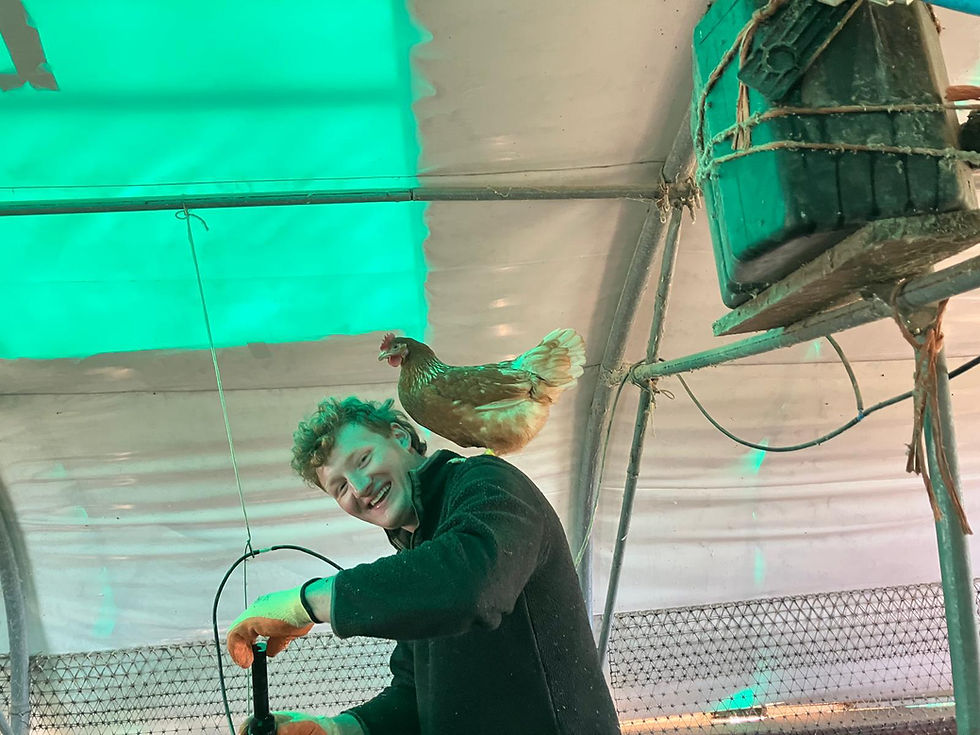
We also took delivery of another 100 point of lay hens. Over the last couple of months our current hens have been going through moult, meaning they shed their old feathers, grown new ones and have a well deserved break from laying eggs. This is fine, however it means we’ve been struggling to keep up with demand in the shop! Thankyou to everyone who’s stayed patient with us and hopefully our supply with be plentiful again soon.
In March we also collected 200 new ducklings. These will eventually join our girls out in the paddocks, but as they only arrive 1 day old they spend the first few weeks inside and under heat lamps where they stay nice and cosy.

Spring is also the time when our crops really start growing. This year we are growing winter wheat for making bread (if it meets the quality requirements) and winter linseed, which has many uses including food supplements and oils. Both of these were planted over September and October, meaning they have had all winter to grow. In the spring we are busy applying fertiliser to help them grow as well as spraying them with fungicides to keep the leaves healthy and protect their potential.

For now all the crops look well and hopefully with a splash of rain manage to reach their full potential come harvest in August. Before then we have hay to make, and the arrival of our turkeys!


Comments